Welcome, Jamaican Turn Cornmeal Recipe is one of those simple dishes that honestly doesn’t need anything fancy to stand out.
It’s rich, creamy, and slowly cooked in coconut milk with fresh herbs, seasoning, and vegetables until everything turns thick, smooth, and super comforting.
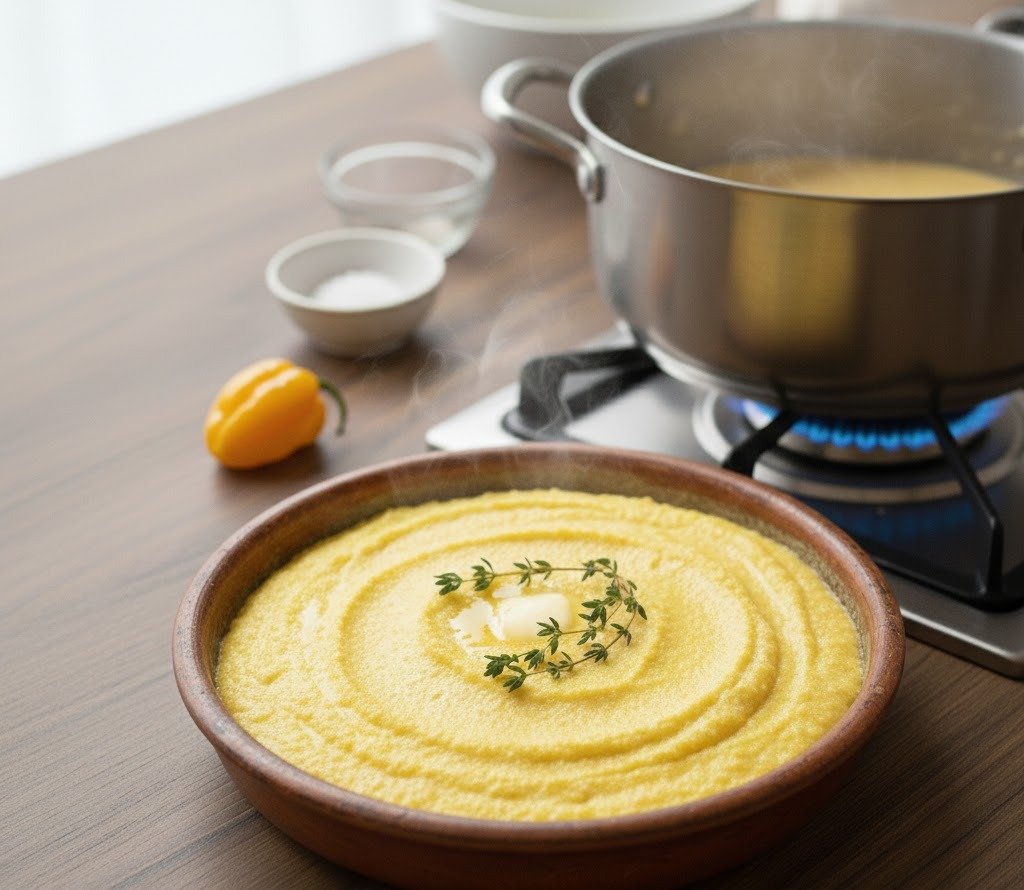
In Jamaica, many people call it Tun Cornmeal because the whole cooking process is about turning and stirring it slowly until the texture feels just right.
This is the version I really enjoy making whenever I’m craving something warm, filling, and packed with real Caribbean comfort flavor.
It tastes so good with steamed fish, fried fish, curry chicken, curry shrimp, saltfish, or even alongside simple sautéed cabbage. And honestly, it’s delicious all by itself, too.
Recipe Overview
- Cuisine: Jamaican / Caribbean
- Prep Time: 15 minutes
- Cook Time: 30 minutes
- Servings: 4
What is Jamaican Turn Cornmeal?
Jamaican turned cornmeal is a traditional Jamaican dish made from cornmeal that’s cooked slowly and stirred frequently.
The base can be simple, but in most Jamaican kitchens, it’s seasoned well and often cooked with coconut milk for richness.
Some families add saltfish, bacon, okra, or beans, while others keep it vegetarian. Either way, it’s one of those dishes that has been feeding people for generations.
Why You’ll Love
There’s something about the combination of coconut milk, thyme, scallion, and a little heat from Scotch bonnet that makes this dish taste so much bigger than it looks.
The cornmeal absorbs all that flavor while it cooks, and when it’s done, you get something creamy and savory, with just enough richness to feel like a full meal even when it’s served as a side.
Ingredients Needed
This recipe uses common Jamaican-style ingredients, and the flavor really comes from building that seasoned coconut base first.
| Amount | Unit | Name | Notes |
|---|---|---|---|
| 1 1/2 | cups | yellow cornmeal | fine/refined for a smoother texture |
| 1 1/2 | cups | water | for mixing into cornmeal paste |
| 2 | cups | coconut milk | full-fat recommended |
| 2 | tbsp | coconut oil | or olive oil |
| 2 | tbsp | butter | or vegan butter |
| 1 | small | onion | finely chopped |
| 2 | stalks | scallion (green onion) | finely chopped |
| 1/2 | green bell pepper | finely chopped | |
| 1 | medium | tomato | chopped |
| 2 | cloves | garlic | minced |
| 1 | sprig | thyme | or 1/2 tsp dried thyme |
| 1/4 | tsp | allspice | optional but very traditional |
| 1 | tsp | salt | adjust to taste |
| 1 | Scotch bonnet pepper | whole for flavor, sliced for heat |
Equipment
Cornmeal doesn’t need fancy tools, but the pot and spoon do matter.
| Amount | Name | Notes |
|---|---|---|
| 1 | medium heavy-bottom pot with lid | helps prevent burning and cooks evenly |
| 1 | whisk | best for smoothing cornmeal paste |
| 1 | wooden spoon | needed once the mixture thickens |
| 1 | cutting board | for prepping vegetables |
| 1 | sharp knife | makes chopping quicker |
| 1 | measuring cups | keeps the texture consistent |
| 1 | measuring spoons | for seasoning |
Mix In Options
Turn cornmeal is one of those dishes where you can make it different every time.
Okra gives it a slightly silky texture.
Cooked saltfish turns it into a full, savory meal.
Mixed vegetables add color and sweetness.
Pigeon peas make it more hearty and give more body.
You can even do a sweet version in some households, but today we’re sticking with savory.
Preparation Steps
To make the cooking feel easy, I always handle the small jobs first.
The vegetables are chopped and ready to go.
The cornmeal is mixed with water until smooth.
The coconut milk is measured out.
Once the pot starts boiling, you don’t want to be running around searching for ingredients, because the cornmeal stage needs your attention.
How to make Turn Cornmeal?
This method gives you a smooth, thick, well-seasoned cornmeal with no lumps and no raw cornmeal taste.
Step 1
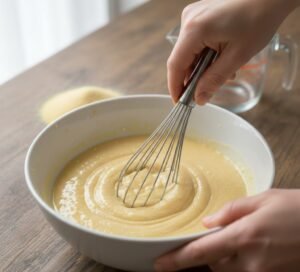
Add the cornmeal and water to a bowl and whisk until it becomes a smooth mixture. It should look like a loose paste and pour easily.
Step 2
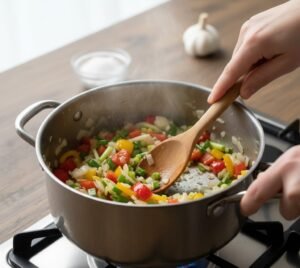
Place a medium pot over medium heat and add the coconut oil. Add onion, scallion, bell pepper, tomato, and garlic. Cook for about 2 minutes until the vegetables soften slightly and become fragrant.
Step 3
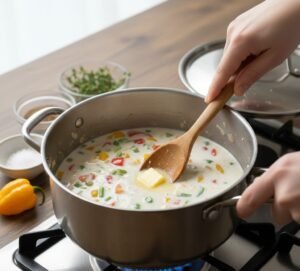
Pour in the coconut milk. Add salt, butter, allspice, thyme, and the Scotch bonnet pepper. Stir well, cover the pot, and let it come to a boil.
Step 4
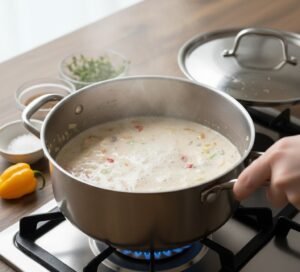
Once boiling, reduce the heat to low. Keep the pot covered for about 1 minute so the coconut milk base stays hot but not aggressively bubbling.
Step 5
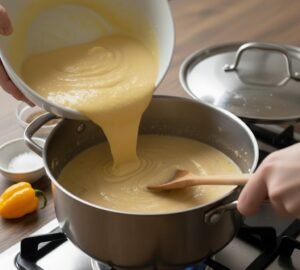
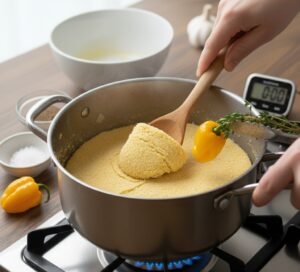
Slowly pour in the cornmeal mixture while stirring firmly and constantly. Keep stirring until the mixture begins to thicken and the cornmeal is fully blended.
Step 6
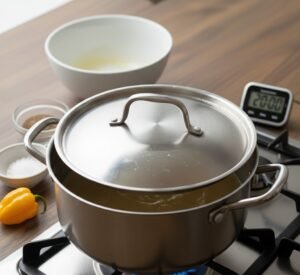
Cover the pot and cook for 30 minutes on low heat. Every 10 minutes, uncover and stir well, scraping the bottom and sides so it doesn’t stick.
Step 7
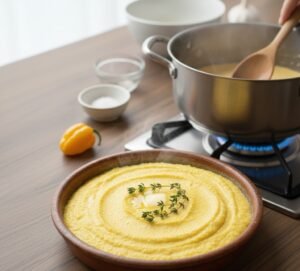
When it’s finished, the mixture should be thick and pulling away from the pot. Remove the thyme sprig and Scotch bonnet pepper before serving.
Step 8
Serve warm. The texture is best when it’s fresh, but leftovers are still delicious.
Expert Tips
Fine cornmeal gives the smoothest texture, especially if you like it creamy.
Keep the heat low when adding the cornmeal. High heat makes it seize too fast and creates lumps.
Stir steadily while pouring. The slower you pour, the smoother it will be.
Don’t skip the lid. This dish needs steam to cook the cornmeal fully.
If you want flavor without too much heat, keep the Scotch bonnet whole and remove it before serving.
Notes and tips
Cornmeal thickens more as it cools, so it may look softer in the pot than it does on the plate.
If you add saltfish, taste first before adding too much salt.
If you want it slightly softer, you can add an extra splash of coconut milk near the end.
Pro Cooking Tips for Success
I always use a heavy-bottom pot because cornmeal can scorch easily. A wooden spoon works best once it thickens, because you can scrape the bottom without damaging the pot.
Stirring every 10 minutes during steaming keeps the texture even. Letting it cook for the full time matters. If you rush it, the cornmeal can taste slightly raw and gritty.
Serving Suggestion
This dish is very flexible when it comes to serving.
I love it with steamed fish, especially with a little gravy or sauce. It’s also delicious with curry chicken, curry shrimp, or brown stew chicken.
If you’re keeping it meatless, serve it with callaloo, sautéed cabbage, or a side of beans.
Sometimes I serve it with avocado slices, and it’s such a nice balance against the heat.
Storage & Make-Ahead Tips
Turn cornmeal holds up well, but it does change texture once chilled. It firms up in the fridge and becomes more crumbly.
That’s normal. If you plan to make it ahead, it’s best stored in a covered container so it doesn’t dry out.
Delicious Variations
There are so many ways people make cornmeal.
Saltfish Turn Cornmeal is one of the most popular versions.
Bacon Turn Cornmeal adds smoky flavor and richness.
Pumpkin Turn Cornmeal gives a subtle sweetness and soft texture.
Pigeon Peas Turn Cornmeal adds more protein and body.
Vegetable Turn Cornmeal is perfect for vegan meals.
Substitutes for Common Ingredients
If you’re missing a few things, you can still make a good pot of turn cornmeal.
No coconut oil? Use olive oil or vegetable oil.
No fresh thyme? Use dried thyme, but reduce the amount slightly.
No Scotch bonnet? Use a pinch of red pepper flakes.
No tomato? Skip it, but you may want a little more onion for flavor.
Nuntriouns
- Calories: ~330–380 per serving
- Carbohydrates: ~40–50g
- Protein: ~5–8g
- Fat: ~15–22g
- Saturated Fat: ~10–14g
- Fiber: ~3–5g
- Sugar: ~1–3g
- Sodium: depends on added salt and saltfish
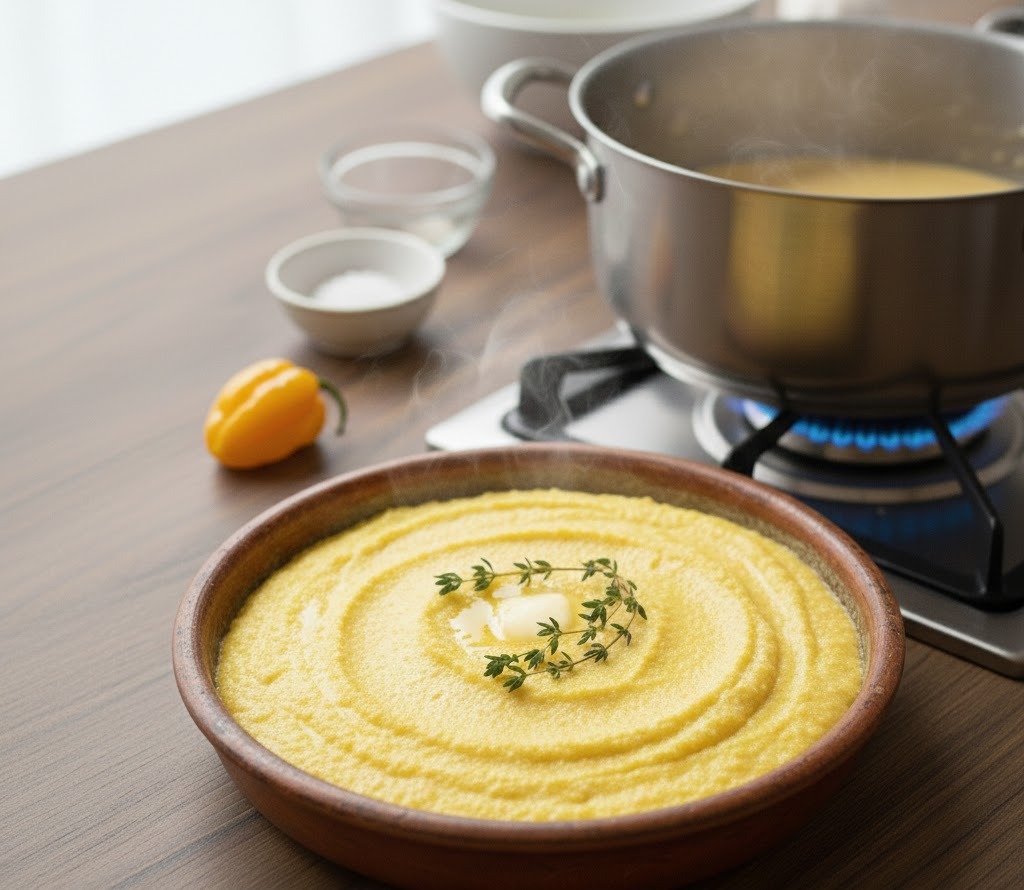
Jamaican Turn Cornmeal Recipe
Ingredients
Equipment
Method
- In a bowl, whisk the cornmeal with the water until it becomes smooth and pourable, like a loose paste. I set it aside so it’s ready when the pot is hot.
- In a medium heavy-bottom pot over medium heat, add the coconut oil. Add the onion, scallion, bell pepper, tomato, and garlic, then sauté for about 2 minutes until softened and fragrant.
- Pour in the coconut milk. Add salt, butter, allspice, thyme, and the Scotch bonnet pepper. Stir well, cover the pot, and bring it to a gentle boil.
- Once boiling, reduce the heat to low. Let the coconut milk base stay hot but not bubbling too aggressively.
- Slowly pour the cornmeal mixture into the pot while stirring firmly the entire time. Keep stirring until it starts thickening and looks smooth.
- Cover the pot and cook on low for 30 minutes. Stir well every 10 minutes, scraping the bottom and sides so it doesn’t stick.
- When it’s finished, the cornmeal should be thick and pulling away from the sides of the pot. Remove the thyme sprig and Scotch bonnet pepper.
- Let it rest for 5 minutes, then serve warm.
Notes
- I always mix the cornmeal with water first. Adding dry cornmeal directly into hot liquid is the easiest way to get lumps.
- Make sure the heat is LOW when adding the cornmeal paste, because high heat makes it tighten too quickly.
- Stir every 10 minutes while it steams, and scrape the bottom so nothing burns.
- If it gets too thick, I add a small splash of warm water or coconut milk and stir it back in.
Videos For Guide
FAQs:-
What is Jamaican Turn Cornmeal?
Jamaican Turn Cornmeal (Tun Cornmeal) is a savory cornmeal dish cooked in coconut milk with herbs, spices, and vegetables until thick and creamy.
How do you stop lumps in turn cornmeal?
I always mix the cornmeal with water first to make a smooth paste, then pour it in slowly while stirring constantly on low heat.
Is Jamaican Turn Cornmeal the same as polenta?
They’re very similar, but Jamaican turn cornmeal is usually cooked with coconut milk, thyme, scallion, and Scotch bonnet for more flavor.
What do you serve with turn cornmeal?
It’s best served with steamed fish, fried fish, curry chicken, curry shrimp, or sautéed cabbage and vegetables.
Can you reheat cornmeal?
Yes! I reheat it on low heat with a splash of water or coconut milk, stirring until it becomes soft and creamy again.
Conclusion
Jamaican Turn Cornmeal is one of those dishes that feels like pure Caribbean comfort. I love how the coconut milk, thyme, and scallion make it taste rich and savory, and I also love how it pairs with almost anything you put next to it. If you take your time with the turning and let it cook through, you’ll get a pot that tastes like home, even if you’re far away.
Thanks for stopping by, and I hope you come back again for more warm Jamaican cooking.