
Welcome! Today I’m sharing one of my favorite traditional staples, Hand-Pounded Rice.
This is not just another rice recipe, it’s a return to slow food, simple cooking, and nourishing meals that our grandparents relied on every day.
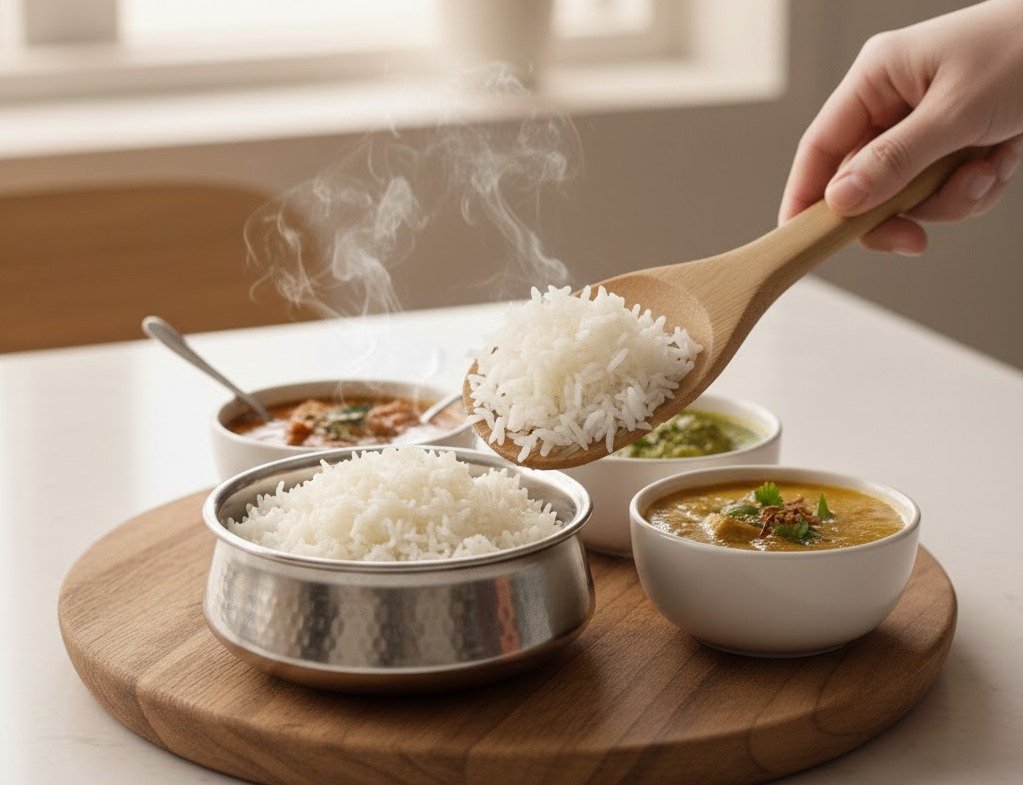
I personally started cooking hand-pounded rice when I wanted a healthier alternative to polished white rice without giving up the comfort of eating rice daily.
Hand-pounded rice, also known as Kaikuthal Arisi, is minimally processed rice where the bran layer is partially retained.
Hi, my name is Dipendra Kumar. I like cooking food for my family and relatives. My relative calls me a pro chef. I uploaded videos on social media.
Due to this traditional processing, the rice retains more nutrients, fiber, and natural flavor.
The grains look slightly off-white or light brown and have a mild nutty taste with a pleasantly chewy texture.
Unlike regular rice, this variety needs a little patience — but once you understand the method, it becomes very easy to cook perfectly every time.
About Hand Pounded Rice
Hand pounding is an old method where harvested rice grains were gently pounded using wooden or stone tools to remove only the outer husk.
This process preserved much of the bran and germ layers, making the rice naturally rich in nutrients.
Compared to modern polished rice, hand pounded rice:
- Retains more fiber
- Digests slowly
- Keeps you full longer
- Has a deeper flavor and aroma
I always feel meals made with this rice are more satisfying and grounding. The texture is slightly firmer, which works beautifully with dals, curries, and traditional Indian meals.
Difference Between Hand Pounded Rice and Brown Rice
Many people confuse these two, but they are not exactly the same.
Brown rice keeps the entire bran layer intact, making it denser and heavier.
Hand pounded rice removes a small portion of bran during pounding, so it cooks softer while still remaining nutritious.
In my kitchen, hand pounded rice feels like the perfect middle ground — healthier than white rice yet easier to eat daily than brown rice.
Ingredients
| Amount | Ingredient | Notes |
|---|---|---|
| 1 cup | Hand pounded rice | Any variety |
| 2½–3 cups | Water | Adjust based on texture preference |
| 1 pinch | Salt (optional) | Enhances flavor |
Equipment Needed
| Amount | Equipment | Notes |
|---|---|---|
| 1 | Pressure cooker | Preferred cooking method |
| 1 | Mixing bowl | For washing and soaking |
| 1 | Measuring cup | Accurate ratio |
| 1 | Strainer | Draining rice |
| 1 | Fork or rice paddle | For fluffing cooked rice |
Rice Preparation
Cooking hand pounded rice starts with proper preparation. These steps make a huge difference in final texture.
Rinsing the Rice
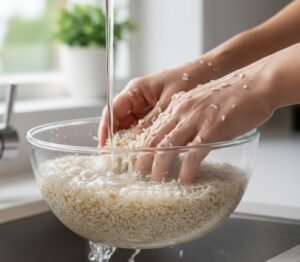
Step 1: Add the rice to a bowl and rinse it under water 2–3 times until the water looks clearer. This removes dust and extra starch so the grains cook separately.
Soaking the Rice
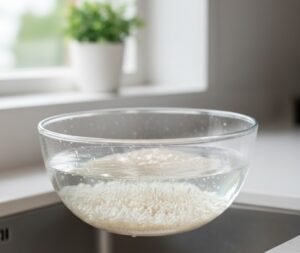
Step 2: Cover the rinsed rice with water and soak for about 30 minutes. I never skip this step because soaking softens the grains and reduces cooking time significantly.
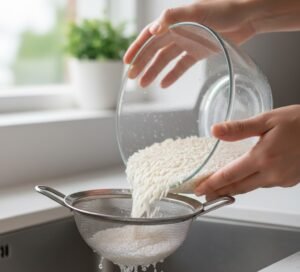
After soaking, drain the water completely using a strainer.
Cooking Instructions
Pressure Cooker Method
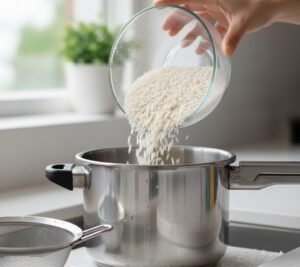
Step 3: Transfer the soaked rice into a steel bowl or directly into the pressure cooker.
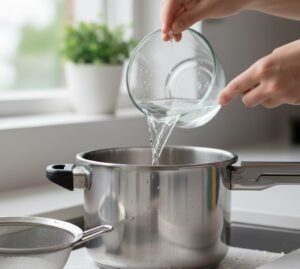
Step 4: Add 2½ to 3 cups of water. Use less water for firmer grains and slightly more for softer rice.
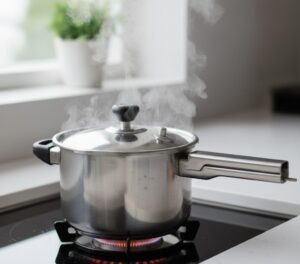
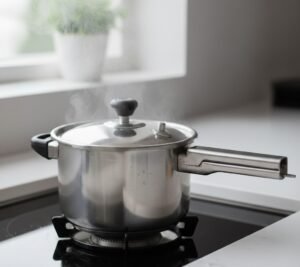
Step 5: Close the lid and cook on medium heat until 2 whistles occur.
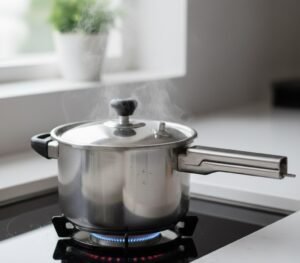
Step 6: Reduce the flame to low and cook for another 5 minutes.
Step 7: Switch off the heat and allow pressure to release naturally. This resting period helps the grains finish cooking gently.
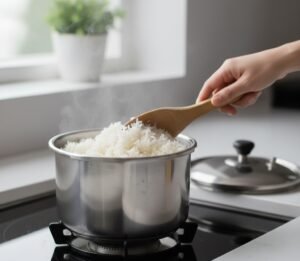
Step 8: Open the lid and fluff the rice carefully using a fork without mashing it.
Open Pot Cooking Method
Step 1: Bring water to a boil in a heavy pot.
Step 2: Add soaked rice and cook covered on low heat.
Step 3: Cook for about 35–40 minutes until grains become soft.
Step 4: Rest the rice for 10 minutes before fluffing.
I personally use the pressure cooker most days because it saves time while still giving perfect results.
Fluffing the Rice
Once cooked, gently separate the grains using a fork or paddle. Avoid stirring aggressively because hand-pounded rice is softer than brown rice once cooked.
Letting the rice sit covered for a few minutes before fluffing improves texture.
Serving Suggestions
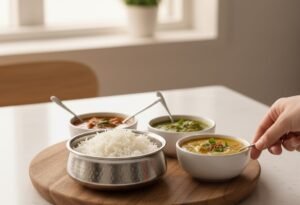
Hand pounded rice has a rustic flavor that pairs beautifully with traditional dishes. I usually serve it hot with:
- Sambar or rasam
- Dal or lentil curry
- Vegetable stir fry
- Yogurt and pickle
- Coconut-based gravies
It also works well with both vegetarian and non-vegetarian curries because the chewy grains absorb flavors nicely.
Nutritional Benefits
Hand-pounded rice is valued mainly for its nutritional profile. Here are some important benefits:
- High dietary fiber supports digestion
- Lower glycemic index compared to polished rice
- Provides steady energy release
- Contains B vitamins essential for metabolism
- Supports gut health
- Helps maintain fullness longer
- Contains minerals like magnesium and iron
- Better blood sugar balance when eaten in moderation
I noticed meals feel more satisfying and I don’t feel hungry quickly after eating this rice.
Why Hand Pounded Rice is Healthier Than White Rice
Polished white rice loses most of its bran during processing, which removes fiber and nutrients. Hand pounding keeps part of that layer intact.
Because of this:
- Nutrients remain naturally preserved
- Digestion slows down
- Blood sugar spikes reduce
- Natural flavor improves
Traditional diets relied on this kind of rice for generations, and there was a strong reason behind that wisdom.
Cooking Tips for Perfect Texture
From my experience, these small tips make big improvements:
- Always soak the rice before cooking.
- Use correct water ratio; too much water causes stickiness.
- Allow natural pressure release.
- Avoid over-mixing after cooking.
- Rest rice for a few minutes before serving.
Patience really matters with traditional grains.
Storage Instructions
Keeping Hand Pounded Rice Fresh
Allow cooked rice to cool completely before storing. Transfer into an airtight container and refrigerate for up to 2 days.
Reheating Tips
Sprinkle a little water over the rice before reheating. Cover and steam or microwave gently to restore softness.
Freezing Option
You can freeze portioned rice for up to one month. Thaw and steam before serving for best texture.
Traditional Food Habits and Cultural Connection
Cooking hand-pounded rice always reminds me of how earlier generations ate closer to nature. Food was minimally processed, seasonal, and cooked slowly.
People relied on whole grains and physical activity rather than convenience foods.
Reintroducing traditional grains into modern kitchens feels like reconnecting with those healthy habits again.
Even small changes like replacing polished rice occasionally can make meals more nourishing.
Meal Pairing Ideas
This rice adapts beautifully to many meals:
- Everyday lunch thali
- Comfort curd rice bowls
- Tamarind rice or lemon rice preparations
- Pongal or khichdi variations
- Simple ghee rice with dal
Its neutral taste makes it incredibly versatile.
Common Cooking Mistakes to Avoid
One mistake I made early was treating it exactly like white rice. Hand-pounded rice needs slightly more care.
Avoid these:
- Skipping soaking
- Adding excess water
- Opening the cooker immediately after cooking
- Stirring vigorously
Once you understand the grain, cooking becomes effortless.
Hand Pounded Rice Recipe
Ingredients
Equipment
Method
- Wash the hand pounded rice 2–3 times under running water until the water becomes clear.
- Soak the rice in enough water for 30 minutes to soften the grains.
- Drain the soaked rice completely using a strainer.
- Add the rice to a pressure cooker or a steel bowl placed inside the cooker.
- Pour 2½ to 3 cups of water and add a pinch of salt if using.
- Close the lid and cook on medium heat until 2 whistles.
- Reduce the flame to low and cook for another 5 minutes.
- Switch off the heat and allow the pressure to release naturally.
- Open the cooker and gently fluff the rice using a fork or rice paddle.
- Serve hot with sambar, dal, curry, or curd.
Notes
- Soaking the rice improves texture and reduces cooking time.
- Water quantity may vary depending on rice variety.
- Always allow natural pressure release for fluffy grains.
- Avoid over-mixing after cooking to prevent mushy rice.
- Leftover rice can be refrigerated for up to 2 days.
FAQs:-
What is hand pounded rice?
Hand pounded rice is rice processed using traditional pounding methods where only the outer husk is removed, keeping part of the bran layer and nutrients intact.
Is hand pounded rice healthier than white rice?
Yes, it contains more fiber, vitamins, and minerals than polished white rice and has a lower glycemic index.
Do I need to soak hand pounded rice before cooking?
Yes, soaking for about 30 minutes helps soften the grains and reduces cooking time while improving texture.
What is the correct water ratio for cooking hand pounded rice?
Generally, use 1 cup of rice to 2½–3 cups of water, depending on how soft you want the rice.
Can hand pounded rice be eaten daily?
Yes, it can be eaten daily as a healthier alternative to white rice when consumed in balanced portions.
Conclusion
Cooking hand-pounded rice is simple, nourishing, and deeply traditional. I love how this humble grain brings both health and comfort to everyday meals.
With just rinsing, soaking, and gentle cooking, you get fluffy, flavorful rice that pairs with almost anything. Once you try it regularly, it easily becomes a staple in your kitchen.
Read More:- Elk Breakfast Sausage Recipe
