
Welcome! Today I’m sharing my complete guide to making Poyo Poyo sauce at home, a bold, flavorful, and incredibly versatile sauce that has slowly become one of my kitchen essentials.
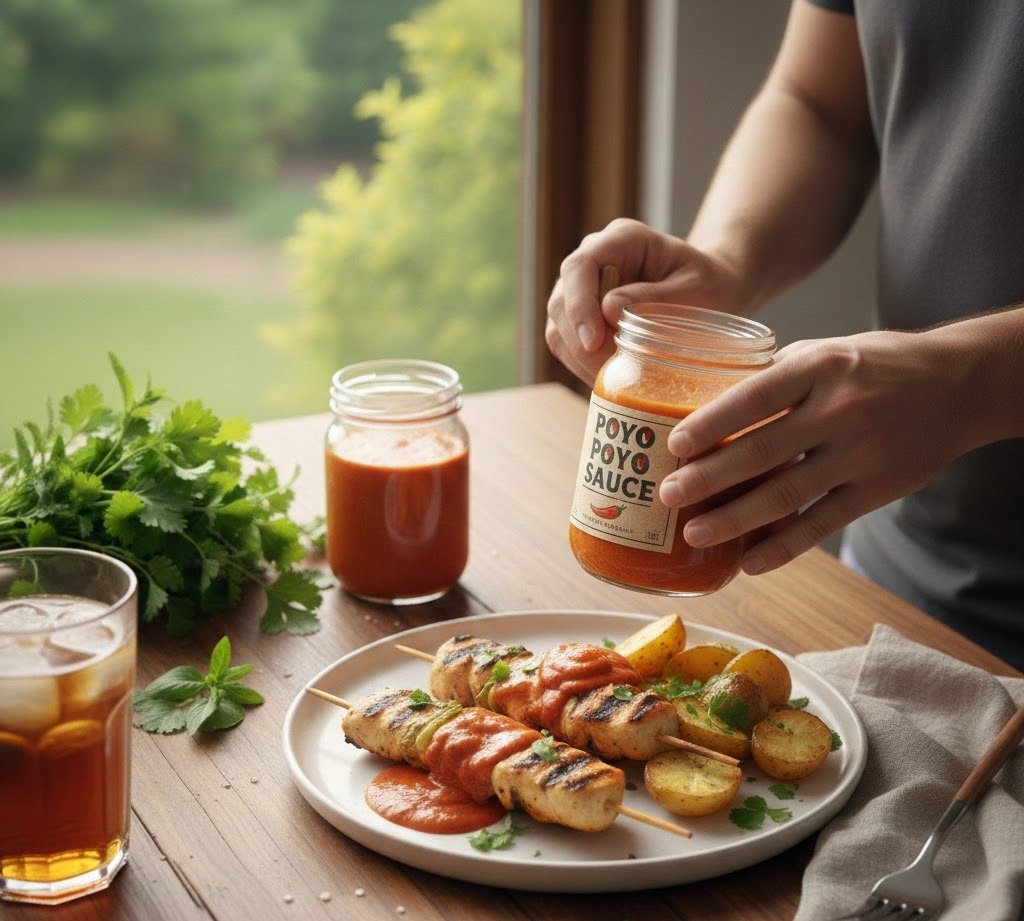
Over time, I noticed how different kitchens prepare their own version, some creamy, some tropical, some spicy, yet all built around the same idea: a balance between heat, tang, and freshness.
Hi, my name is Dipendra Kumar. I like cooking food for my family and relatives. My relative calls me a pro chef. Today is a holiday i make my own method recipes.
Introduction
Poyo Poyo sauce is not just another condiment sitting quietly in the fridge. It’s the kind of sauce that transforms simple meals into something exciting.
I first started experimenting with it while trying to recreate restaurant-style sauces at home, and honestly, I didn’t expect it to become such a regular part of my cooking routine.
The beauty of this sauce is how adaptable it is; you can make it fiery, creamy, tangy, or slightly sweet depending on your taste.
Recipe Overview
- Preparation Time: 10–15 minutes
- Cooking Time: None (optional simmering variation)
- Total Time: About 15 minutes
- Yield: Approximately 2 cups
- Course: Sauce
- Cuisine Style: Tropical / Fusion
What Is Poyo Poyo Sauce?
Poyo Poyo sauce is a tropical-inspired spicy sauce commonly associated with grilled dishes and Caribbean-style flavors.
Most versions combine fresh herbs, chilies, citrus juice, garlic, and oil to create a smooth, emulsified sauce.
Some variations lean creamy like an aioli, while others are fresh and herb-forward with bright acidity.
The defining characteristic is balance: heat from chilies, freshness from herbs, richness from oil, and sharpness from lime or vinegar.
Why I Love Making This Sauce
I enjoy recipes that give maximum flavor with minimal effort, and this sauce does exactly that. The aroma alone fills the kitchen with freshness.
Every time I make it, I adjust something slightly, maybe more lime, maybe fewer chilies, and it still turns out amazing. That flexibility makes it feel personal every time.
History or Fun Fact About the Dish
The sauce gained popularity alongside flame-grilled chicken restaurants serving Caribbean-inspired meals.
Over time, home cooks recreated their own interpretations using locally available ingredients. Because there’s no strict traditional formula, every household version feels unique.
Ingredients You Need for the Sauce
Below is a balanced herb-and-chili version that delivers freshness, heat, and depth.
| Amount | Ingredient | Notes |
|---|---|---|
| 1 cup | Thai or bird’s eye chilies | Stems removed |
| ½ cup | Fresh cilantro | Leaves and stems |
| ½ cup | Fresh parsley | Adds freshness |
| 2 tbsp | Garlic (minced) | Fresh preferred |
| ½ cup | Lime juice | Freshly squeezed |
| 1 cup | Sambal chili paste | Sweet and spicy base |
| ½ cup | Paprika | Color and warmth |
| 1½ tbsp | Salt | Adjust to taste |
| 1 cup | Olive oil | Added slowly for emulsifying |
Equipment List
| Amount | Equipment | Notes |
|---|---|---|
| 1 | Blender or food processor | Main mixing tool |
| 1 | Measuring cup set | Accurate quantities |
| 1 | Measuring spoon set | For spices |
| 1 | Cutting board | Prep ingredients |
| 1 | Knife | Chopping herbs & chilies |
| 1 | Airtight glass jar | Storage |
| Optional | Immersion blender | Alternative method |
Step-by-Step Guide
Step 1: Prepare Ingredients
Wash herbs thoroughly and remove chili stems. Roughly chop garlic and herbs so blending becomes easier.
Step 2: Add Base Ingredients
Place chilies, cilantro, parsley, garlic, sambal paste, paprika, salt, and lime juice into a blender.
Step 3: Blend the Mixture
Blend on high speed until the mixture becomes smooth and evenly combined. Scrape down sides if needed.
Step 4: Emulsify with Oil
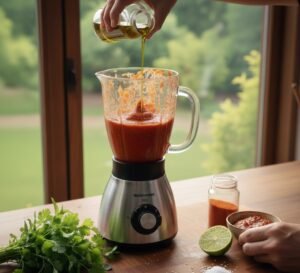
While blending, slowly drizzle olive oil in a thin stream. This step is important because gradual addition thickens the sauce and creates a creamy texture.
Step 5: Adjust Flavor
Taste carefully. Add more lime juice for tanginess or a small pinch of salt if needed.
Step 6: Rest the Sauce
Transfer to a clean jar and refrigerate for at least 30 minutes. Resting allows flavors to meld together.
Step 7: Serve and Enjoy
Shake or stir before serving, especially if natural separation occurs.
Essential Cooking Tips
Fresh herbs make a noticeable difference in flavor and color. Adding oil too quickly prevents emulsification, so patience here matters.
If your blender struggles, chop ingredients smaller before blending. Wearing gloves while handling chilies helps avoid irritation.
Variations to Customize the Sauce
You can easily personalize the flavor:
- Add pineapple juice for tropical sweetness
- Blend in yogurt for a creamy version
- Use jalapeños instead of Thai chilies for milder heat
- Add smoked paprika for smoky depth
- Include honey for subtle sweetness
Substitutes for Common Ingredients
If certain ingredients are unavailable:
- Lemon juice works instead of lime juice
- Basil or parsley can replace cilantro
- Chili flakes substitute for fresh chilies
- Vegetable oil replaces olive oil
- Chili garlic sauce works instead of sambal
Serving Ideas to Elevate Meals
I often use this sauce far beyond grilled chicken. It pairs beautifully with roasted vegetables, rice bowls, sandwiches, tacos, seafood, and even fries.
A small spoonful instantly brightens plain dishes.
Occasion or Event Ideas
This sauce works wonderfully for casual gatherings because it can be prepared ahead of time.
It’s ideal for barbecues, family dinners, meal prep sessions, or party platters where guests can drizzle their own amount.
Storage and Shelf Life
Store the sauce in a clean airtight container inside the refrigerator.
- Refrigerated: lasts 5–7 days
- Stir before use if separation occurs
- Use clean spoons only
- Freeze in small portions for longer storage
If the smell changes or the color dulls significantly, discard the sauce.
Storage Tips for Long-Lasting Freshness
Glass jars help preserve flavor better than plastic containers. Keeping the sauce chilled immediately after preparation slows spoilage and maintains brightness.
Nutritional Information
Approximate nutrition per serving (2 tablespoons):
- Calories: 70–90 kcal
- Fat: 6–8 g
- Carbohydrates: 4–6 g
- Protein: 1 g
- Sodium: varies by salt amount
- Vitamin C: high due to lime and chilies
Health Benefits
- Chilies may support metabolism
- Garlic contributes antioxidants
- Fresh herbs provide vitamins and minerals
- Lime juice adds immune-supporting nutrients
When used moderately, the sauce fits easily into balanced meals.
Taste and Flavor Profile
The flavor is layered rather than simply spicy. First comes citrus brightness, followed by herbal freshness, then warmth from paprika, and finally a lingering chili heat.
The oil smooths everything together, creating a sauce that feels bold but balanced.
Expert Notes
Balance matters more than exact measurements. If the sauce tastes too sharp, add oil. If too heavy, add citrus.
Adjusting gradually helps you understand how each ingredient shapes the final flavor.
The Reason This Sauce Is Always a Good Choice
Sauces often determine whether a meal feels ordinary or memorable. This one works because it enhances food without overpowering it.
It adds brightness, heat, and depth simultaneously, making everyday cooking feel more exciting without extra effort.
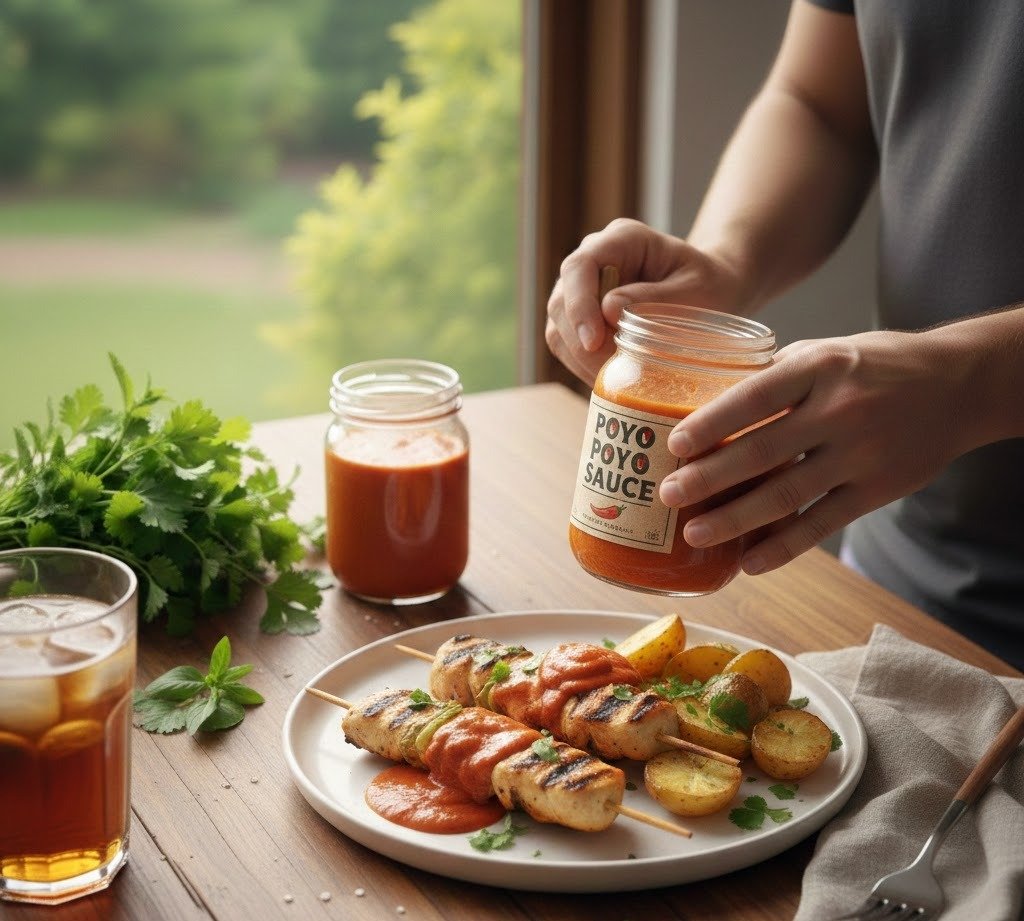
Poyo Poyo Sauce Recipe
Ingredients
Equipment
Method
- Wash the herbs and remove stems from the chilies. Roughly chop garlic and herbs to help blending.
- Add chilies, cilantro, parsley, garlic, sambal paste, paprika, salt, and lime juice into a blender.
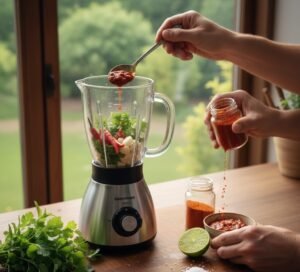
- Blend until the mixture becomes smooth and evenly combined.
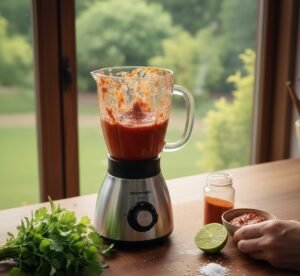
- While blending, slowly drizzle in the olive oil. This helps emulsify the sauce and makes it creamy.
- Taste the sauce and adjust salt or lime juice if needed.

- Transfer the sauce into an airtight jar and refrigerate for at least 30 minutes so flavors develop.
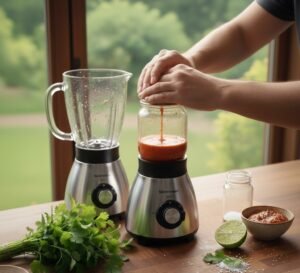
- Stir or shake before serving and enjoy with your favorite dishes.

Notes
I make this fresh, spicy, and tangy Poyo Poyo sauce using herbs, chilies, lime juice, and olive oil. It comes together quickly in a blender and adds bold flavor to grilled chicken, vegetables, rice bowls, and many everyday meals.#recipes#sauce
— Dipendra Roshan (@yummyrecies) March 14, 2026
Some_ https://t.co/oAFSdpAgmK pic.twitter.com/4JUyHM24KD
FAQs:-
What does Poyo Poyo sauce taste like?
It tastes tangy, slightly spicy, fresh, and garlicky with a smooth texture. The flavor is balanced between heat, citrus, and herbs.
How long does homemade Poyo Poyo sauce last?
It usually stays fresh in the refrigerator for about 5–7 days when stored in an airtight container.
Can I make the sauce less spicy?
Yes. Use fewer chilies, remove the seeds, or replace hot peppers with milder ones like jalapeños.
What foods go best with this sauce?
It pairs well with grilled chicken, roasted vegetables, rice bowls, tacos, seafood, and even fries as a dip.
Can I freeze Poyo Poyo sauce?
Yes, you can freeze it in small portions for up to 1 month. Thaw in the refrigerator and stir before using.
Conclusion
Making this sauce at home is simple, flexible, and rewarding. I love how one quick blend creates something vibrant enough to transform countless meals. Once you start keeping a jar in your fridge, you’ll notice how often you reach for it, and honestly, that’s when you know a recipe truly works.
Read More:- Alabama Hot Rockets Recipe
