
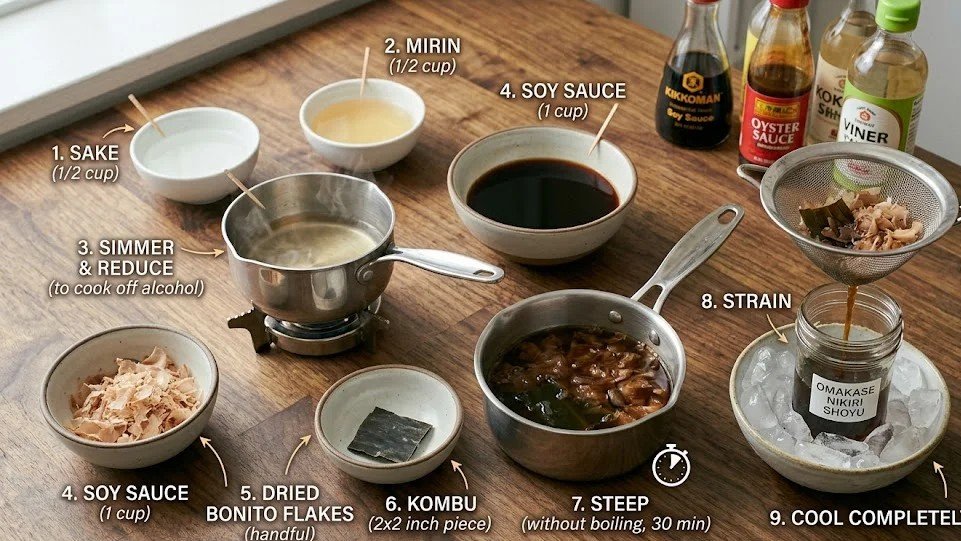
Omakase sauce is not a single fixed formula but a balanced, umami-rich sauce inspired by Japanese culinary philosophy.
The word “omakase” means “I leave it up to you,” reflecting a chef’s creativity and trust in ingredients.
Hi, my name is Dipendra Kumar. I am a chef. I cooked for my family and relatives. My family and relatives also like my food. They called me a pro chef.
This sauce captures that spirit—simple components blended thoughtfully to create something refined and versatile.
Whether you want to elevate sushi, grilled dishes, or even vegetables, this sauce delivers a perfect harmony of sweet, salty, tangy, and savory flavors.
What is Omakase Sauce?
Omakase sauce is a Japanese-inspired condiment typically used in sushi restaurants.
It is designed to enhance—not overpower—the natural flavors of ingredients like fresh fish, rice, or vegetables.
Unlike standardized sauces, omakase sauce varies depending on the chef. However, most versions include:
- Soy sauce for saltiness and umami
- Mirin or sugar for sweetness
- Vinegar for acidity
- Aromatics like garlic and ginger
The result is a delicate yet complex sauce that works across multiple dishes.
Why You Should Try Omakase Sauce
This sauce stands out because of its versatility and balance. It can:
- Transform simple dishes into restaurant-quality meals
- Works as a marinade, glaze, dressing, or dip
- Be customized easily to match your taste
It’s also quick to prepare, making it ideal for both beginners and experienced cooks. Ingredients for Omakase Sauce
Below is a well-balanced ingredient list inspired by traditional and modern variations.
Ingredients Table
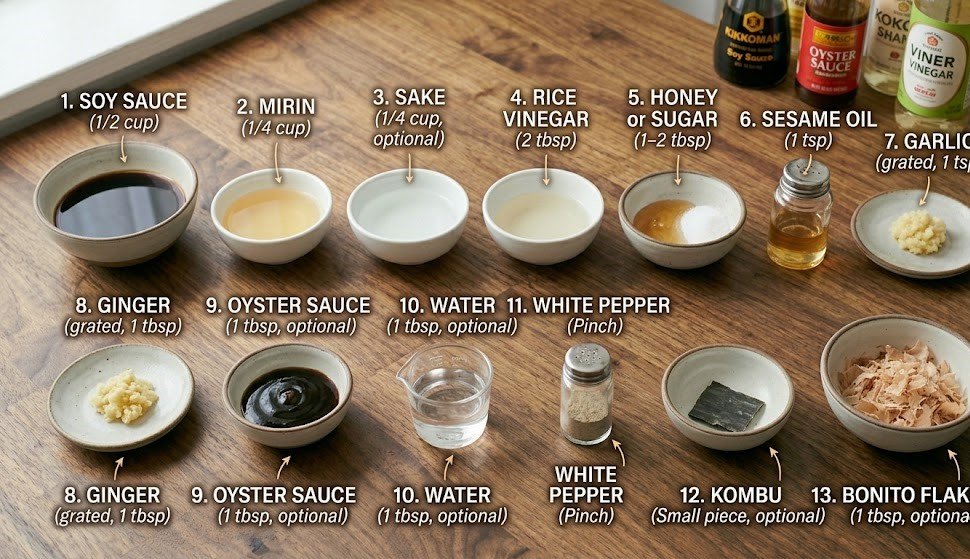
| Ingredient | Quantity | Purpose |
|---|---|---|
| Soy sauce | 1/2 cup | Base flavor and umami |
| Mirin | 1/4 cup | Sweetness and shine |
| Sake (optional) | 1/4 cup | Depth and complexity |
| Rice vinegar | 2 tbsp | Acidity and balance |
| Honey or sugar | 1–2 tbsp | Sweetness |
| Sesame oil | 1 tsp | Nutty aroma |
| Garlic (grated) | 1 tsp | Sharpness and depth |
| Ginger (grated) | 1 tbsp | Fresh warmth |
| Oyster sauce (optional) | 1 tbsp | Extra umami richness |
| Water (optional) | 1 tbsp | Adjust consistency |
| White pepper | Pinch | Mild heat |
| Kombu (optional) | Small piece | Sea-based umami |
| Bonito flakes (optional) | 1 tbsp | Smoky umami |
Kitchen Equipment
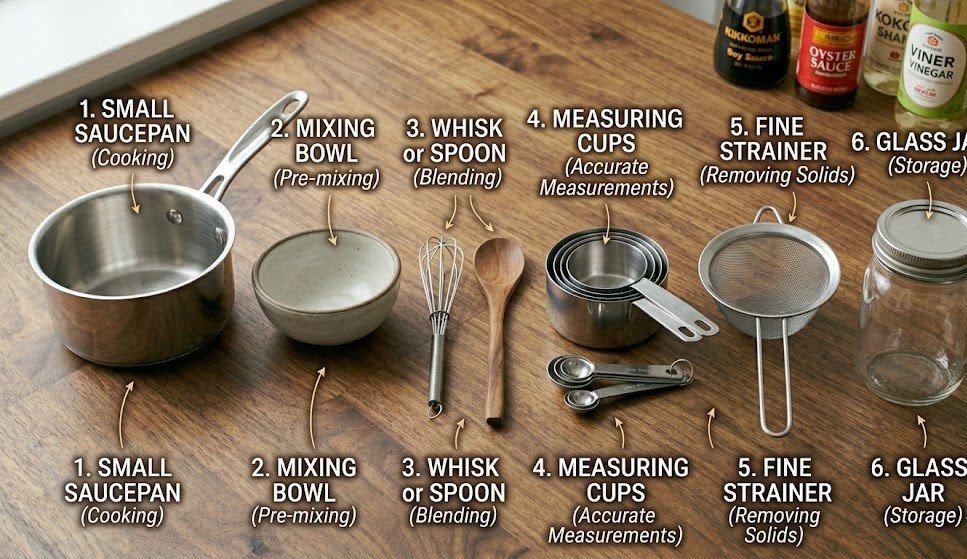
| Equipment | Purpose |
|---|---|
| Small saucepan | Cooking and simmering the sauce |
| Mixing bowl | Pre-mixing ingredients |
| Whisk or spoon | Blending ingredients smoothly |
| Measuring cups/spoons | Accurate measurements |
| Fine strainer | Removing solids (optional) |
| Glass jar/container | Storage |
How to Make Omakase Sauce (Step-by-Step)
Step 1: Measure Ingredients
Start by measuring all ingredients accurately. Balance is crucial in this sauce, so precision helps maintain the right flavor profile.
Step 2: Combine Liquid Base
In a saucepan, add:
- Soy sauce
- Mirin
- Sake (if using)
- Rice vinegar
Stir gently to combine. This forms the core of the sauce.
Step 3: Add Sweetness
Add honey or sugar and stir until fully dissolved. This balances the saltiness of soy sauce.
Step 4: Add Aromatics
Mix in the grated garlic and ginger. These ingredients bring warmth and depth, enhancing the overall flavor.
Step 5: Add Umami Boosters (Optional)
For a richer taste, add:
- Oyster sauce
- Kombu
- Bonito flakes
These deepen the umami profile and give the sauce a restaurant-style finish.
Step 6: Simmer Gently
Place the saucepan on medium-low heat. Let the sauce simmer for about 5 minutes. Avoid boiling aggressively—gentle heat preserves delicate flavors.
Step 7: Add Finishing Elements
Remove from heat and stir in:
- Sesame oil
- White pepper
These final touches add aroma and a subtle kick.
Step 8: Strain (Optional)
If you used kombu, bonito flakes, or prefer a smooth texture, strain the sauce using a fine sieve.
Step 9: Cool and Store
Let the sauce cool completely. Transfer it to an airtight container and refrigerate.
Flavor Profile of Omakase Sauce
Omakase sauce is all about balance:
- Umami: Soy sauce, kombu, oyster sauce
- Sweetness: Mirin, sugar, or honey
- Acidity: Rice vinegar
- Aroma: Sesame oil, garlic, ginger
The result is a layered flavor experience—subtle yet impactful.
Tips for Perfect Omakase Sauce
- Use high-quality ingredients for the best results
- Keep the heat low to avoid overpowering flavors
- Taste and adjust sweetness or acidity as needed
- Let the sauce rest before using—it improves flavor
Common Mistakes to Avoid
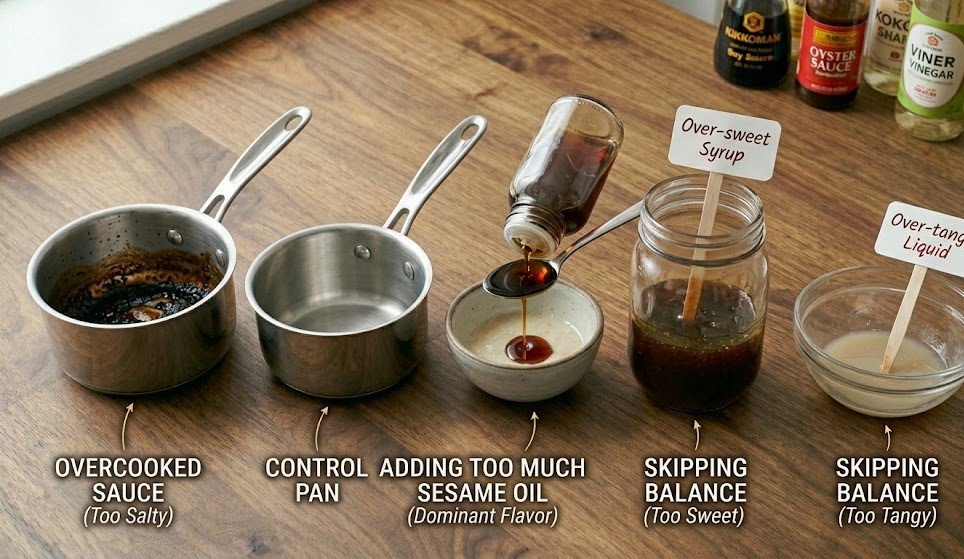
- Overcooking the sauce, which can make it too salty
- Adding too much sesame oil, which can dominate
- Skipping balance—too sweet or too tangy disrupts harmony
Variations and Customization
You can easily adapt this sauce:
- Spicy Version: Add chili flakes or chili oil
- Vegan Version: Skip oyster sauce and bonito flakes
- Citrus Twist: Add yuzu juice or lemon zest
- Low-Sodium Version: Use reduced-sodium soy sauce
Ingredient Substitutes
If certain ingredients are unavailable, try these:
- Soy sauce → Tamari or coconut aminos
- Mirin → Rice vinegar + sugar
- Sake → Dry sherry
- Sugar → Honey or maple syrup
- Ginger → Ground ginger (small amount)
- Garlic → Garlic powder
- Dashi → Vegetable or mushroom broth
What to Serve with Omakase Sauce
This sauce pairs beautifully with a wide variety of dishes.
Sushi and Sashimi
Lightly drizzle or dip to enhance fresh fish without overpowering it.
Grilled Meats and Fish
Use as a marinade or finishing glaze for chicken, salmon, or steak.
Rice and Noodles
Mix into fried rice or drizzle over plain rice, soba, or ramen.
Vegetables
Perfect for stir-fries, steamed vegetables, or roasted dishes.
Dumplings and Tempura
Use as a dipping sauce for crispy appetizers.
Salads
Thin with vinegar and oil to create a flavorful dressing.
Omakase Sauce vs Eel Sauce
While similar, these sauces differ:
- Omakase Sauce: Balanced, lighter, more versatile
- Eel Sauce: Thicker, sweeter, more syrup-like
Omakase sauce focuses on harmony, while eel sauce emphasizes sweetness.
Storage and Shelf Life
- Store in an airtight container in the refrigerator
- Best used within 7–10 days
- Stir before each use
- Avoid contamination by using clean utensils
Nutritional Overview
Omakase sauce is relatively light when used in moderation.
- Low in fat (except for sesame oil)
- Contains small amounts of natural sugars
- Provides strong flavor without heavy calories
This makes it ideal for enhancing meals without adding excessive richness.
Cultural Background of Omakase
The concept of omakase comes from Japanese dining culture, where diners trust the chef’s expertise. This philosophy emphasizes:
- Fresh ingredients
- Simplicity
- Balance
Omakase sauce reflects this idea—each ingredient plays a purpose, and nothing is excessive.
Why This Recipe Works
This recipe succeeds because it follows key principles:
- Balanced proportions of sweet, salty, and acidic elements
- Gentle cooking to preserve flavor
- Flexibility for customization
It delivers a restaurant-quality sauce at home with minimal effort.
When to Use Omakase Sauce
This sauce works best when:
- You want to enhance rather than mask flavors
- You’re preparing Japanese or fusion dishes
- You need a quick, versatile condiment
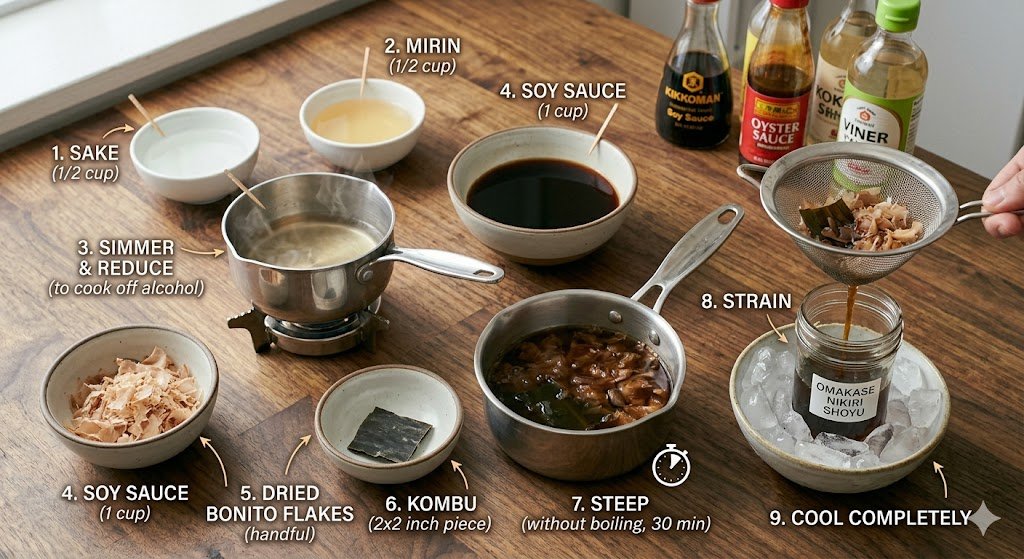
Omakase Sauce Recipe
Ingredients
Equipment
Method
- Measure all ingredients and keep them ready for smooth cooking.

- In a saucepan, combine soy sauce, mirin, sake, and rice vinegar. Stir gently.

- Add honey or sugar and mix until fully dissolved.

- Add grated ginger and garlic, stirring well to combine.

- Add optional ingredients like oyster sauce, kombu, or bonito flakes for extra umami.

- Place on medium-low heat and let the sauce simmer for about 5 minutes. Stir occasionally.

- Remove from heat and stir in sesame oil and white pepper.

- Strain the sauce if using kombu or bonito flakes for a smoother texture.

- Allow the sauce to cool completely.

- Transfer to an airtight container and refrigerate before use.

Notes
- Use high-quality soy sauce and mirin for the best flavor.
- Adjust sweetness and acidity based on your taste.
- Store in the refrigerator and use within 7–10 days.
- Works as a dip, marinade, glaze, or dressing.
What is Omakase sauce made of?
Omakase sauce is typically made with soy sauce, mirin, rice vinegar, sugar, garlic, ginger, and sesame oil.
How long does homemade Omakase sauce last?
It usually lasts up to 7–10 days when stored in an airtight container in the refrigerator.
Can I make Omakase sauce without mirin?
Yes, you can substitute mirin with a mix of rice vinegar and sugar.
Is Omakase sauce the same as eel sauce?
No, eel sauce is thicker and sweeter, while Omakase sauce is more balanced and lighter.
What can I use Omakase sauce for?
You can use it as a dip, marinade, glaze, or dressing for sushi, meats, rice, noodles, and vegetables.
Final Thoughts
Omakase sauce is more than just a recipe—it’s a philosophy of balance and simplicity.
With just a handful of ingredients, you can create a sauce that transforms everyday meals into something special.
Once you master it, you’ll find yourself using it across countless dishes—from sushi nights to quick weeknight dinners.
The beauty of this sauce lies in its adaptability and depth, proving that even the simplest ingredients can create something extraordinary.
