
Welcome. Medieval meat pie recipes are one of those recipes that instantly make me feel like I’m cooking in a stone kitchen with a big wooden table and a fire in the background.
They’re hearty, cozy, and honestly way more flavorful than people expect. What I love most is that they’re practical.
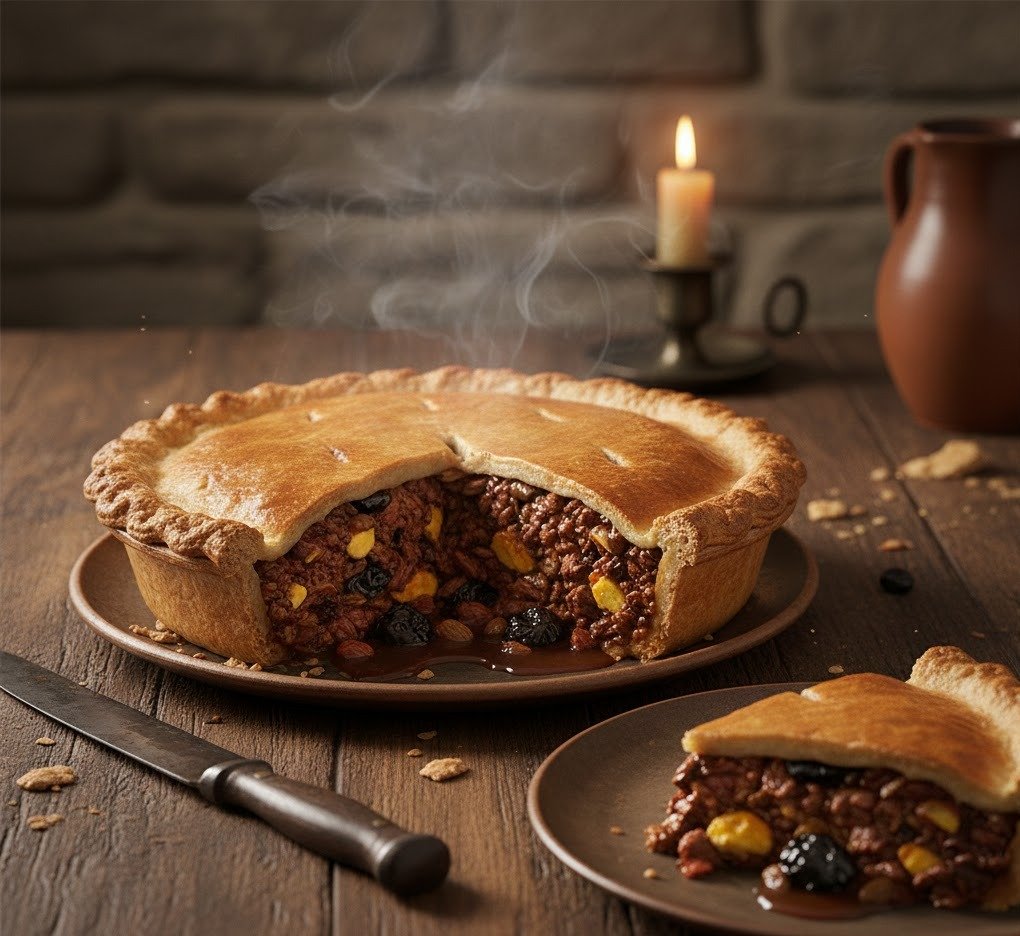
You can make them ahead; they travel well, and they taste good hot, warm, or even cold if you’re starving and impatient like me.
Hi, my name is Dipendra Kumar, and I am a pro chef. My relative calls me a pro chef. I uploaded videos on social media.
This version is inspired by the traditional medieval idea of mixing meat, warming spices, and a little fruit for balance. It’s not overly sweet, just gently rich and old-fashioned in the best way.
Recipe Overview
- Cuisine: Medieval European-inspired
- Prep Time: 45 minutes
- Cook Time: 1 hour 10 minutes
- Servings: 8
What Is a Medieval Meat Pie?
A medieval meat pie is basically a sturdy crust filled with cooked meat, spices, and sometimes dried fruits, wi*e, or broth.
It’s not like modern pot pie exactly. Medieval pies were often a way to preserve food and stretch leftovers, and the flavor combinations leaned heavily into sweet-and-savory.
The filling is usually moist, slightly spiced, and dense enough to slice clean. In many old recipes, egg yolks were added to bind everything, and fruit like prunes or raisins helped add richness and contrast.
The History of Medieval Meat Pies
Meat pies were common in medieval Europe, especially in households with access to livestock or game.
Pies could be made for everyday meals, but they were also a feast food, especially when spiced. Spices were expensive and showed status, so pies became a way to show off wealth and hospitality.
Another thing I find fascinating is how practical pies were. They were portable, could be served without plates, and were easy to store.
Some crusts were made so tough they weren’t meant to be eaten, but I’m not doing that here. I want a crust you actually want to bite into.
Why Medieval Pies Were So Popular
They were popular for the same reason meal prep is popular now, honestly. A pie could feed a group, travel well, and hold up for days.
People could eat it at room temperature, which was important when ovens weren’t exactly something you could casually reheat in.
They also made leftovers exciting again. Leftover roast meat could be chopped, mixed with broth, spices,and fruit, and turned into something that felt brand new.
Medieval Meat Pie vs Modern Meat Pie
Modern meat pies are usually savory only, and they often rely on gravy and vegetables.
Medieval pies were more likely to include fruit, wi*e, vinegar, or warm spices like cinnamon, cloves, and ginger. It’s a different vibe.
The medieval flavor is deeper and more complex, and a little unexpected. If you’ve never had meat with dried fruit before, it sounds odd, but once you try it, it makes sense.
What Meat Was Used in Medieval Pies?
Historically, people used whatever was available. Beef, pork, chicken, venison, rabbit, and even mixed meats were all common. Game pies were especially popular for wealthier tables.
For this recipe, I’m using beef and pork together because it gives the best balance of flavor and richness. Beef alone can be a little dry in a baked pie, and pork helps fix that.
Common Medieval Meat Pie Fillings
A medieval filling often includes:
Meat, chopped small
Egg yolks for richness and binding
Broth or wi*e for moisture
Dried fruits for sweetness
Spices like ginger, pepper, cloves, or cinnamon
Sometimes nuts, cheese, or herbs
This recipe keeps it fairly simple but still feels authentic.
Traditional Medieval Spices Used in Meat Pies
The most common spices you’ll see in medieval pie-style recipes include ginger, black pepper, cinnamon, cloves, nutmeg, and sometimes saffron.
For this one, I use ginger, cinnamon, and black pepper. It’s enough to give it that medieval warmth without turning the pie into dessert.
The Sweet-and-Savory Flavor Style of Medieval Pies
This is the heart of the whole recipe. Medieval cooking loved contrast. Salty meat with tart vinegar, sweet fruit with rich fat, and warming spice to tie it together.
The dried fruit melts into the filling while baking, so it doesn’t taste like “chunks of raisins.” It just tastes like depth.
What Is a “Coffin” Crust in Medieval Cooking?
A “coffin” crust was basically a pastry shell used like a cooking vessel. Many of them were thick and hard, meant to protect the filling rather than be eaten.
Some were edible, especially in smaller pies, but a lot of large banquet pies had crusts that were almost like pottery.
I’m definitely not doing that. This crust is sturdy but edible, because I want it to be enjoyable, not a medieval brick.
Edible Crust vs Inedible Crust (Historical Pie Crust Types)
An edible crust is buttery and tender. An inedible crust is thick, dry, and used mainly to hold the filling.
Since we’re cooking at home and not feeding 40 people at a castle, the edible crust makes more sense.
It still holds up beautifully, but you can actually eat it without feeling like you’re chewing on a wooden board.
Ingredients
| Amount | Unit | Name | Notes |
|---|---|---|---|
| 2 1/2 | cups | all-purpose flour | plus extra for dusting |
| 1 | tsp | salt | for dough |
| 1/2 | cup | unsalted butter | cold, cubed |
| 1/3 | cup | lard | can substitute butter |
| 1/2 | cup | hot water | not boiling, just very hot |
| 1 | egg | for egg wash | |
| 1 | tbsp | water | for egg wash |
| 1 | lb | beef stew meat | diced small |
| 1/2 | lb | pork | diced small |
| 1 | tbsp | butter | for browning meat |
| 1 | small | onion | finely chopped |
| 1/2 | cup | beef broth | plus more if needed |
| 2 | tbsp | red wi*e vinegar | optional but very good |
| 1/2 | cup | prunes | chopped |
| 1/4 | cup | raisins | optional |
| 1 | tsp | ground ginger | |
| 1/4 | tsp | ground cinnamon | |
| 1/2 | tsp | black pepper | |
| 1 1/2 | tsp | salt | for filling |
| 3 | egg yolks | hard boiled, mashed |
Equipment Needed
| Amount | Name | Notes |
|---|---|---|
| 1 | large mixing bowl | for dough |
| 1 | wooden spoon | dough mixing |
| 1 | skillet or sauté pan | for meat |
| 1 | rolling pin | |
| 1 | 9-inch pie dish | deep dish works best |
| 1 | baking sheet | under the pie dish |
| 1 | pastry brush | for egg wash |
| 1 | sharp knife | vents + slicing |
| 1 | cutting board | |
| 1 | fork | crimping edges |
How to Make Medieval Meat Pie (Step-by-Step)
Step 1: Make the hot water crust dough
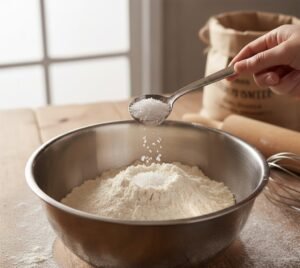
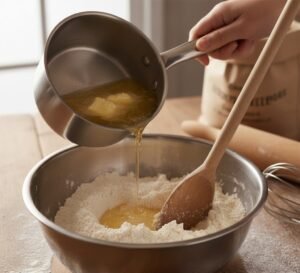
In a large bowl, mix the flour and salt. In a small saucepan, heat the butter and lard with the hot water until melted. Pour it into the flour and stir quickly with a spoon. Once it starts forming a dough, knead it lightly until smooth.
Step 2: Rest the dough
Wrap the dough and let it rest for at least 30 minutes. This makes it easier to roll and less likely to crack.
Step 3: Cook the meat
Heat butter in a skillet. Add beef and pork, and brown them for about 5–6 minutes. You don’t need it fully tender, just cooked through. Remove from heat.
Step 4: Build the filling
Stir in chopped onion, prunes, raisins, mashed egg yolks, ginger, cinnamon, black pepper, and salt. Add broth and vinegar. The mixture should be moist, not soupy.
Step 5: Preheat the oven
Set the oven to 400°F.
Step 6: Roll the bottom crust
Roll out about 2/3 of the dough and line your pie dish. Let it hang over the edges slightly.
Step 7: Fill the pie
Spoon in the filling and spread it evenly. If it looks dry, add a splash more broth.
Step 8: Add the top crust
Roll the remaining dough and place it on top. Seal the edges and crimp.
Step 9: Vent and egg wash
Cut 3–4 small slits in the top. Brush with egg wash.
Step 10: Bake
Bake for 20 minutes at 400°F, then reduce the heat to 350°F and bake another 45–50 minutes.
Step 11: Rest before slicing.
Let the pie rest at least 15 minutes before cutting. This helps it set and slice clean.
Pro Cooking Tips for Success
The biggest mistake with medieval-style pies is dry filling. Don’t be afraid of moisture. The filling should look slightly too wet before baking, because it thickens as it cooks.
Also, chop your meat smaller than you think. Medieval pies were often meant to be eaten by hand, so small pieces make the pie easier to slice and eat.
Serving Suggestions
I like serving this pie warm with something simple and fresh. A green salad is nice, or roasted carrots, or even bread and mustard.
If you want to be more historical, serve it with pickled vegetables, apples, or something slightly sharp to balance the richness.
Storage & Make-Ahead Tips
This pie is honestly better the next day. The flavors settle and deepen.
Store leftovers tightly covered in the fridge for up to 3 days. Reheat slices in the oven at 350°F until hot. I avoid microwaving it because the crust gets soft and sad.
You can also freeze baked slices for about 1 month.
Delicious Variations
You can swap the beef for venison or lamb. Chicken also works, especially with fennel.
If you want it more Tudor-style, add dates and currants and slightly increase the vinegar. If you want it more savory, remove the raisins and keep only prunes.
Substitutes for Common Ingredients
If you can’t find lard, just use all butter. The crust will be slightly more tender and less traditional, but still very good.
If you don’t want vinegar, use a splash of wi*e or just extra broth. Vinegar helps cut the richness though, so I recommend keeping it.
Healthier Options
To lighten it up, you can use leaner pork and reduce the butter slightly. You can also add diced carrots or leeks to the filling for more bulk and fiber.
That said, medieval pies were not designed to be light food. They were meant to keep people full.
Nutritional Information
Nutrition (Estimated Per Serving)
- Calories: 480
- Protein: 23g
- Carbohydrates: 34g
- Fat: 28g
- Saturated Fat: 12g
- Fiber: 2g
- Sugar: 6g
- Sodium: 720mg
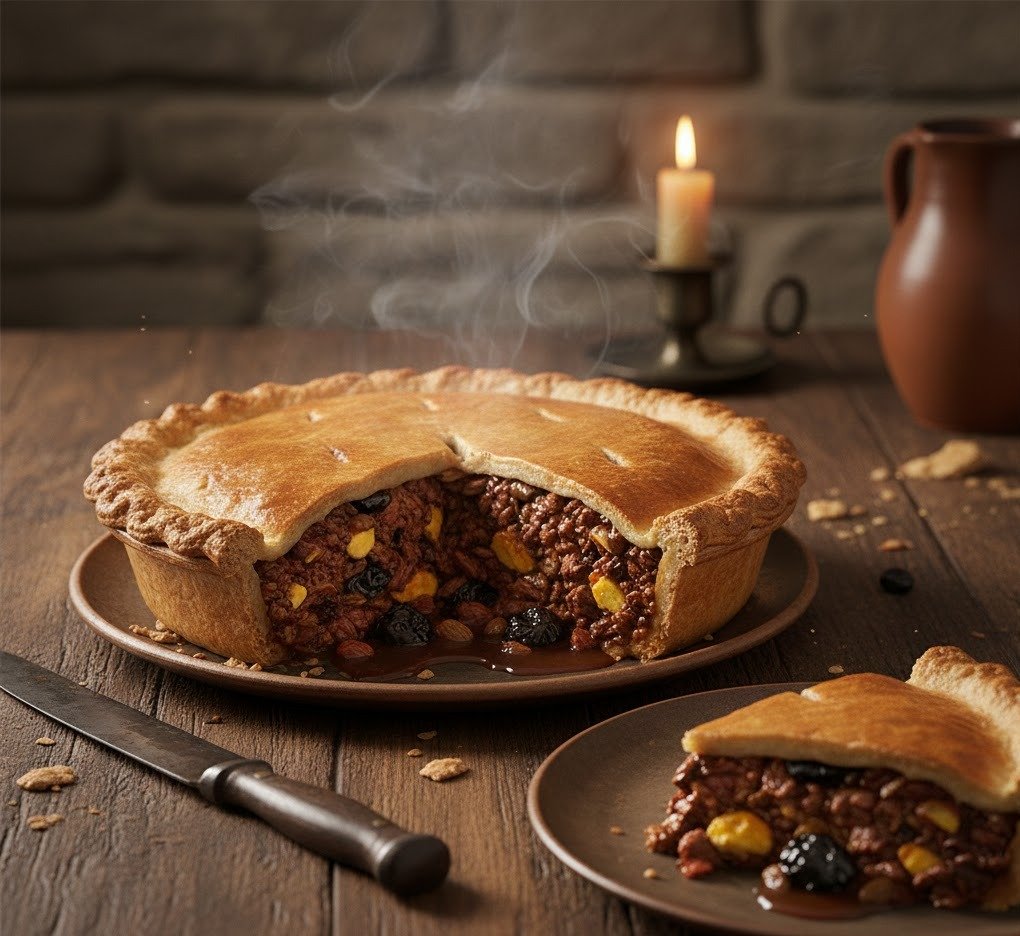
Medieval Meat Pie Recipe
Ingredients
Equipment
Method
- In a large bowl, mix the flour and salt for the crust.
- In a small saucepan, heat the butter, lard, and hot water until melted. Pour it into the flour and stir quickly with a spoon until a dough forms.
- Knead the dough lightly for about 1 minute until smooth. Wrap it and let it rest for 30 minutes.
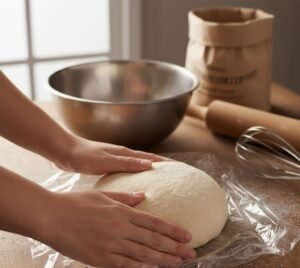
- Melt 1 tablespoon butter in a skillet over medium-high heat. Brown the beef and pork for about 5–6 minutes until cooked through.

- Remove the meat from the heat and stir in the onion, prunes, raisins (if using), mashed egg yolks, ginger, cinnamon, pepper, and salt.

- Pour in the broth and vinegar. The filling should look moist and slightly wet, not dry.

- Preheat the oven to 400°F. Place a baking sheet in the oven or keep it ready.

- Roll out about 2/3 of the dough and line a 9-inch pie dish, letting the edges hang slightly over the rim.
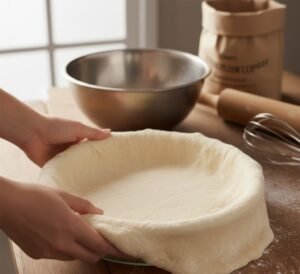
- Spoon the filling into the crust. If it looks dry, add 1–2 tablespoons extra broth.

- Roll out the remaining dough and place it over the top. Seal and crimp the edges. Cut 3–4 small vents in the top.
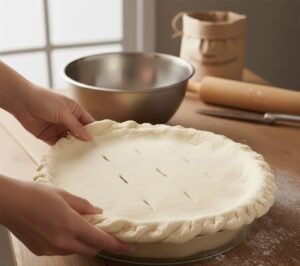
- Whisk the egg with 1 tablespoon water and brush it over the crust.
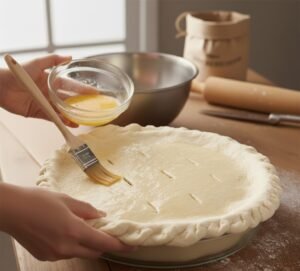
- Bake at 400°F for 20 minutes. Reduce heat to 350°F and bake for 45–50 minutes, until golden brown and bubbling.

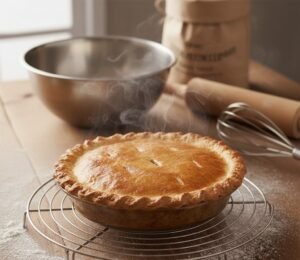
- Let the pie rest for 15 minutes before slicing so the filling sets nicely.
Notes
- If you want it more “Tudor-style,” add a few chopped dates or currants.
- If you want it more savory, skip the raisins and only use prunes.
- Don’t overbake it, because the filling can dry out. If your meat seems lean, add an extra splash of broth before sealing the pie.
- This pie tastes even better the next day after the flavors settle.
FAQs:-
What is a medieval meat pie made of?
Medieval meat pie is usually made with beef, pork, or game, mixed with spices, broth, and sometimes dried fruit like prunes or raisins.
Did medieval people eat the pie crust?
Sometimes yes, but not always. Many large pies had thick “coffin” crusts used mainly as a baking container, not for eating.
Why did medieval meat pies include fruit?
Fruit added sweetness, moisture, and balance. It also helped the filling taste richer and less dry.
What spices were used in medieval meat pies?
Common spices were ginger, black pepper, cinnamon, cloves, nutmeg, and sometimes saffron.
Can I make medieval meat pie ahead of time?
Yes. You can make it a day early and reheat it in the oven, and it often tastes even better the next day.
Conclusion
This is the kind of recipe that feels like history you can actually taste, and it’s surprisingly comforting. I love how the spices make it feel warm without being spicy, and how the fruit makes the meat taste richer instead of sweeter. It’s just one of those pies that makes the kitchen smell like something special.
Read More:- Texas Roadhouse Corn Recipe
